Caffeine Levels in Hotel Coffee and Tea
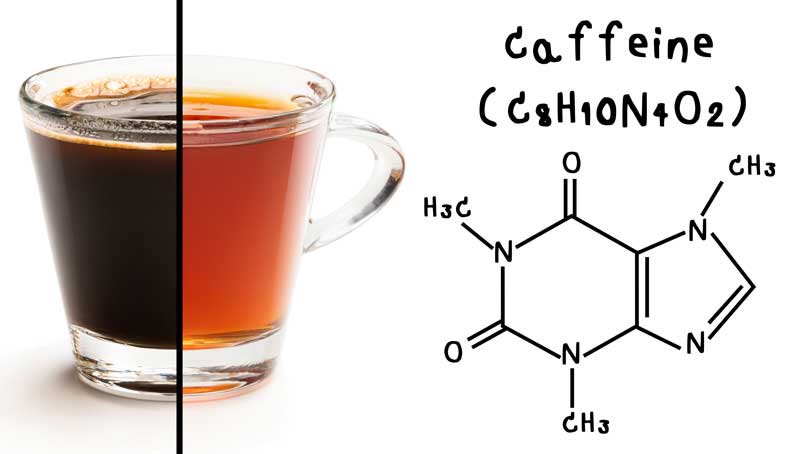
Your hotel guests care about caffeine. In fact, most can’t do without it. Three-quarters of Americans start every morning with a caffeinated beverage, and 1 in 4 say they can’t go a day without caffeine. That means the selection of beverages at the in-room coffee station isn’t just serving tastes, it’s filling a genuine need.
For hotel operators and staff, the more you understand about the beverages you offer, including caffeine levels, the more intentional you can be about how you present them.
Caffeine Levels in Coffee vs. TeaCaffeine Content of Common Hotel Beverages
What Affects a Beverage’s Caffeine Levels?
- What Affects the Caffeine in a Cup of Coffee
- What Affects the Caffeine in a Cup of Tea
- Decaf Is Not Zero
Choosing the Right Mix of Caffeinated Beverages for Your Property
A Great Morning Starts With What’s In Guests’ Cups

Caffeine Levels in Coffee vs. Tea
In general, coffee has more caffeine per serving than tea, but the difference is smaller than most people assume.
The average cup of brewed coffee has 80 to 100 mg of caffeine, while the same amount of black tea has 40 to 70 mg. That means there’s just a 10 mg difference between the least caffeinated coffee and the most caffeinated tea.
But when a tea drinker consumes roughly the same amount of caffeine as a coffee drinker, it doesn’t affect them in the same way. Tea contains L-theanine, which slows caffeine absorption, so a tea drinker can consume more caffeine before feeling its effects.
That said, neither coffee nor tea is universally “stronger.” The amount of caffeine in any given cup can be affected by how long the coffee beans were roasted; how long the tea was steeped; coffee brew method; water temperature; and serving size. “Caffeine per serving” measurements are usually based on an 8 oz. serving, but the most common sizes of paper cups are 12 or 16 oz.
What this means for hotel operators: Coffee and tea need to be treated as completely different beverages. You can’t simply swap in tea for regular or decaf coffee; they’re not directly comparable.
Caffeine Content of Common Hotel Beverages
Below is the approximate amount of caffeine contained in popular hotel beverages. Amounts given are for an 8 oz. cup; they increase proportionately in 12 or 16 oz. servings.
Caffeine content data was collected from manufacturer websites and from credible sources in the beverage or health industry. Amounts are approximate and may vary from cup to cup based on a variety of factors.
| Teas | Caffeine per 8 oz. cup | Caffeine per oz. |
|---|---|---|
| Tazo Organic Awake English Breakfast Tea | 60-80 mg | 9 mg per oz |
| Lipton Black Tea | 55 mg | 7 mg per oz |
| Bigelow English Breakfast Tea | 45 mg | 5 mg per oz |
| Harmony Tea Company English Breakfast Tea | 40-70 mg | 7 mg per oz |
| Twinings Earl Grey Black Tea | 40-70 mg | 7 mg per oz |
| Bigelow English Teatime Black Tea | 30-60 mg | 6 mg per oz |
| Bigelow Earl Grey Tea | 30-60 mg | 6 mg per oz |
| Tazo Zen Tea | 30-45 mg | 5 mg per oz |
| Tazo Earl Grey Tea | 20-30 mg | 4 mg per oz |
| Tazo Organic Green Ginger | 16-30 mg | 3 mg per oz |
| Lipton Decaffeinated Black Tea | 4 mg | 0.5 mg per oz |
| Bigelow Earl Grey Decaf Tea | 1-8 mg | 0.5 mg per oz |
| Twinings Decaffeinated English Breakfast Tea | 0 mg | 0 mg per oz |
| Tazo Passion Herbal Decaf Tea | 0 mg | 0 mg per oz |
| Bigelow Stay Well Herbal Tea | 0 mg | 0 mg per oz |
What Affects a Beverage’s Caffeine Levels?
The amount of caffeine can vary from cup to cup, even if you’re brewing the same drink. That’s because the variety of coffee or tea is just one element that affects caffeine levels.
What Affects the Caffeine in a Cup of Coffee
The amount of caffeine in a cup of coffee can be impacted by the roast level of the beans and by the brewing method used.
Dark roast coffee tends to have a deeper, more robust flavor, so most people assume it has more caffeine. In fact, the opposite is true. Caffeine breaks down in the roasting process, so the darker the roast, the less caffeine it contains.
Brewing method also matters.
- A higher ratio of coffee to water results in a more concentrated brew with more caffeine.
- More caffeine can be extracted from finely ground coffee than from a coarser grind, as there’s more surface area exposed to the water.
- The longer the brewing time, the more caffeine is extracted.
Single-serve hotel coffee makers are highly consistent in the amount of caffeine they serve up, because of the premeasured ratio of coffee to water and the high degree of control.
What Affects the Caffeine in a Cup of Tea
The biggest factors impacting caffeine in tea are water temperature and steep time.
Water temperature is especially crucial, affecting not only the caffeine extraction but also the flavor. Herbal tea is best made with boiling water (212℉). Black tea should be just under boiling (around 200℉) while green and white tea should be steeped at 160 to 180℉.
Steep time is how long the tea leaves soak in the hot water. The longer the steep, the stronger the tea’s flavor and the higher the caffeine.
Single-serve hotel coffee makers typically heat water to a temperature between 190 and 200℉. While this is ideal for coffee and black tea, it can lead to less-optimal flavor for herbal and green tea.
One solution to this is for operators to provide tea bags instead of single-serve pods. That gives tea drinkers more control over their beverage; they can let the hot water cool a moment before steeping a bag of green tea or leave an herbal tea bag to steep longer to extract more flavor.
Decaf Is Not Zero
It’s important to note that just because the label says “decaffeinated” does not mean the beverage has a caffeine level of zero.
Depending on the method of decaffeination, decaf coffees and teas may have residual traces of caffeine. These are typically less than 5 mg per 8 oz. of coffee and less than 2 mg per 8 oz. of tea.
What’s a Safe Level of Daily Caffeine?
It’s not up to hotel staff to monitor their guests’ caffeine consumption. Still, understanding what constitutes a safe level of caffeine can help you make conscious decisions in how to present lower-caffeine alternatives.
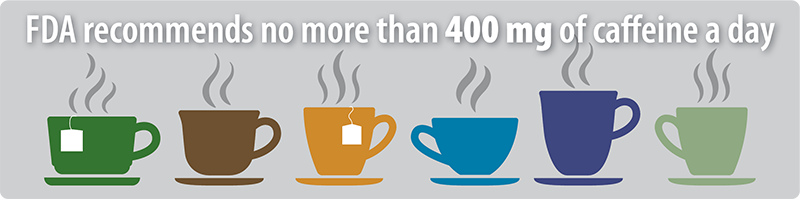
For healthy adults, the FDA recommends no more than 400 mg of caffeine per day. That’s roughly two 16-oz. cups of coffee. Most pregnant individuals can have half that amount, or about one 16-oz. coffee a day.
Choosing the Right Mix of Caffeinated Beverages for Your Property
The right mix of options for your in-room coffee station mostly depends on the expectations of your guests.
Economy and Limited Service Properties
Guests at an economy or limited service hotel are focused on function. All they want is a quality morning beverage, so don’t overcomplicate it.
A single-serve coffee maker with quality filter packs available in regular and decaf will satisfy coffee drinkers. Black tea bags will fill the expectations of tea drinkers.
Flavor variety is not expected at this tier. Three options — regular, decaf, and tea — plus creamer and sweetener will cover most guests.
Boutique and Full Service Properties
Guests at boutique properties expect a higher degree of customization in their room. Your goal is to signal thoughtfulness.
Curate a mix of regular coffee, decaf coffee, tea, and herbal tea to make guests feel catered to. If your property serves many families with children, consider adding hot chocolate capsules to the mix.
International Guests
While coffee is the default for most Americans, caffeine drinkers in much of the world reach for tea as their first choice.
Properties that host a significant number of international guests should treat tea as a primary offer on par with coffee, not as a supplement. Offer both black and green as well as a decaf variety.
READ: Capsules, Pods, and Packets: How the Coffee Your Hotel Chooses Affects Guest Experience
A Great Morning Starts With What’s In Guests’ Cups
A guest’s morning caffeine jolt sets the tone for their day, and whether they spend it feeling favorably about your property. When you demonstrate that you care about details like caffeine levels and serving format, your guests will feel it.
Connect with one of our guest experience specialists to design the perfect mix of coffee makers and beverage options to delight your guests.